
Science
Discover the Moon Phase: What to Expect on January 17

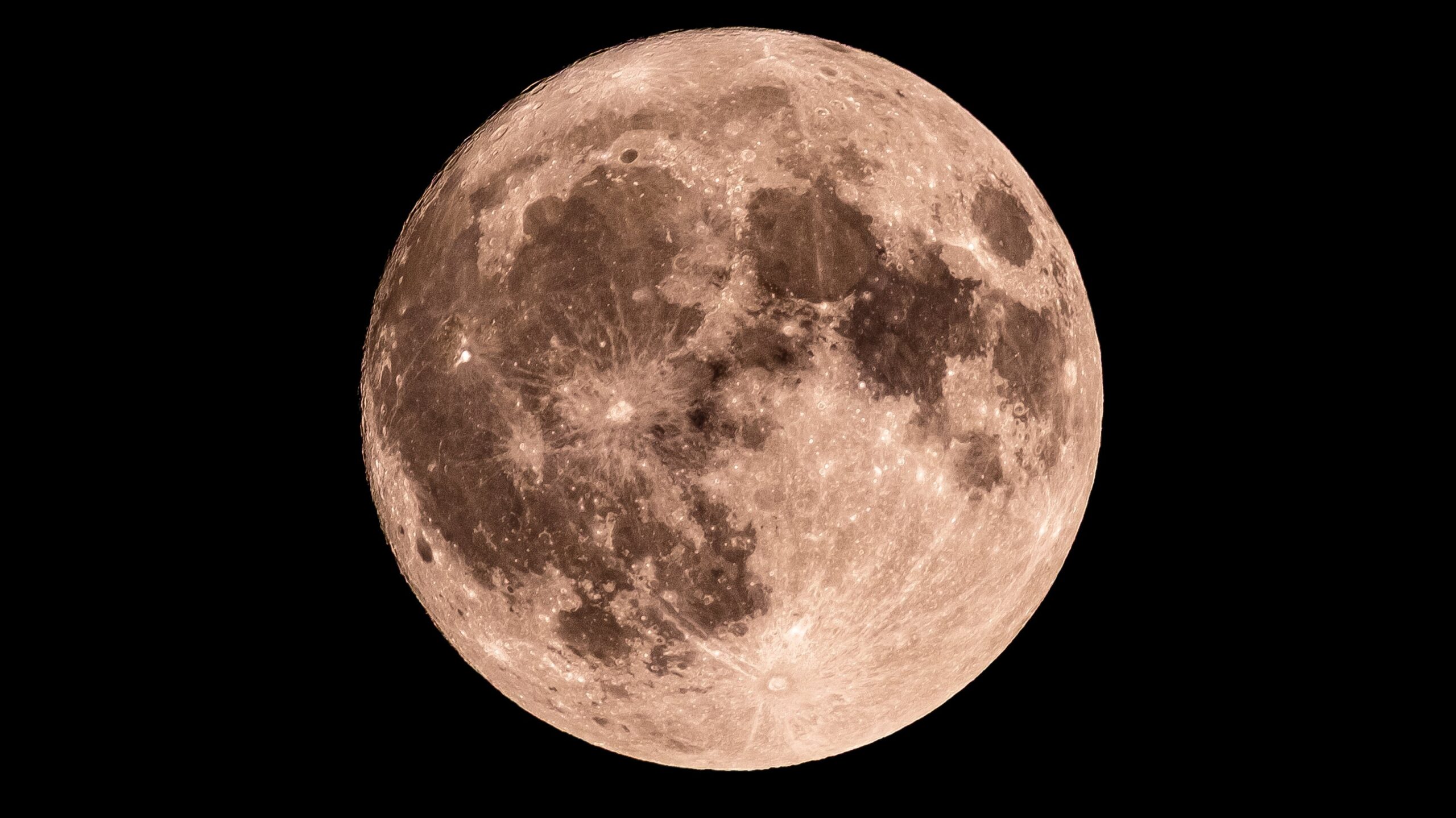
On January 17, 2024, the Moon is in the Waning Crescent phase, with only 2% of its surface illuminated. This marks a transition to the upcoming New Moon, when the Moon will be virtually invisible from Earth. While tonight may not showcase much of the Moon’s beauty, it serves as a reminder of the intricate lunar cycles that govern our night sky.
Understanding the Lunar Cycle
The lunar cycle lasts approximately 29.5 days, which is the time it takes for the Moon to complete one full orbit around Earth. During this period, the Moon transitions through eight distinct phases, each characterized by varying degrees of sunlight illumination. The phases include:
– **New Moon**: The Moon is positioned between Earth and the Sun, rendering it invisible from our viewpoint.
– **Waxing Crescent**: A small sliver of light appears on the right side.
– **First Quarter**: Half of the Moon is lit on the right side, resembling a half-Moon.
– **Waxing Gibbous**: More than half of the Moon is illuminated but not yet fully visible.
– **Full Moon**: The entire face of the Moon is illuminated and fully visible.
– **Waning Gibbous**: The Moon begins to lose light on the right side.
– **Third Quarter (or Last Quarter)**: Another half-Moon, but now the left side is illuminated.
– **Waning Crescent**: A thin sliver of light remains on the left side before it returns to darkness.
The Moon’s appearance changes based on its position in relation to Earth and the Sun, which is why it can appear full, partially lit, or completely dark throughout the month.
Upcoming Lunar Events
Following the Waning Crescent phase, the next Full Moon will occur on February 1, 2024, providing a stark contrast to the darkness of the New Moon. The last Full Moon graced the skies on January 3, offering a spectacular view for stargazers and lunar enthusiasts alike.
For those interested in the night sky, the phases of the Moon present an opportunity to engage with natural cycles and appreciate the beauty of celestial bodies. While visibility may be limited at this time, the anticipation of the New Moon and the subsequent Full Moon fosters a deeper connection to the universe above.
As we look forward to February, keep an eye on the sky to witness how the Moon transforms and illuminates our night.

Robinhood Stock Surges 2.5% Today Amid Tech Market Recovery

Philadelphia’s Earth Month Kicks Off with Free Events in Parks

GSK’s Inhaler Decision Sparks Health Concerns for Children

Bradford’s Fish Fry Fridays Offer Community Spirit and Flavor

Speculation Rises on Shutdowns During Trump’s Potential Presidency

Samsung Galaxy Watch 9 to Feature Larger Battery, Report Reveals

Inventors Find New Purpose Through Unconventional Paths

UConn Huskies Aim for Back-to-Back Titles in 2026 NCAA Tournament

U.S. Mine Countermeasure Ships Dock in Malaysia for Logistics Stop

University of Hawaiʻi at Mānoa Joins $25.6M AI Initiative for Disaster Monitoring

$2.2 Million Boost for Cancer Research and Training in Hawaiʻi

ALMA Discovers Companion Orbiting Red Giant Star π 1 Gruis

Sacituzumab Govitecan Shows Promise for HR+/HER2− Breast Cancer

币安人生 Sees $15.92 Million in Trading Volume Amid Market Fluctuations

New Gel Offers Hope for Regrowing Tooth Enamel in Dentistry

CAVA Group Shares Surge 5.1% Amid Mixed Analyst Ratings

Christian Bale in Talks to Join Leonardo DiCaprio in Heat 2

Supreme Court to Review Birthright Citizenship for Children of Immigrants
-
Science9 months ago
University of Hawaiʻi at Mānoa Joins $25.6M AI Initiative for Disaster Monitoring
-
 Health7 months ago
$2.2 Million Boost for Cancer Research and Training in Hawaiʻi
-
 Science8 months ago
ALMA Discovers Companion Orbiting Red Giant Star π 1 Gruis
-
 Health7 months ago
Sacituzumab Govitecan Shows Promise for HR+/HER2− Breast Cancer
-
Politics5 months ago
币安人生 Sees $15.92 Million in Trading Volume Amid Market Fluctuations
-
 Health9 months ago
New Gel Offers Hope for Regrowing Tooth Enamel in Dentistry
-
 Business7 months ago
CAVA Group Shares Surge 5.1% Amid Mixed Analyst Ratings
-
 Entertainment8 months ago
Christian Bale in Talks to Join Leonardo DiCaprio in Heat 2
-
 Politics7 months ago
Supreme Court to Review Birthright Citizenship for Children of Immigrants
-

 Lifestyle8 months ago
Art Deco and Traditional Designs Set to Transform Homes in 2026
-

 Lifestyle7 months ago
Fernando Mendoza Secures Maxwell and O’Brien Awards Ahead of Heisman
-

 World8 months ago
Swiss Residents Reject 50% Inheritance Tax on Wealthy