
Science
Genetic Breakthrough Could Triple Wheat Grain Yields

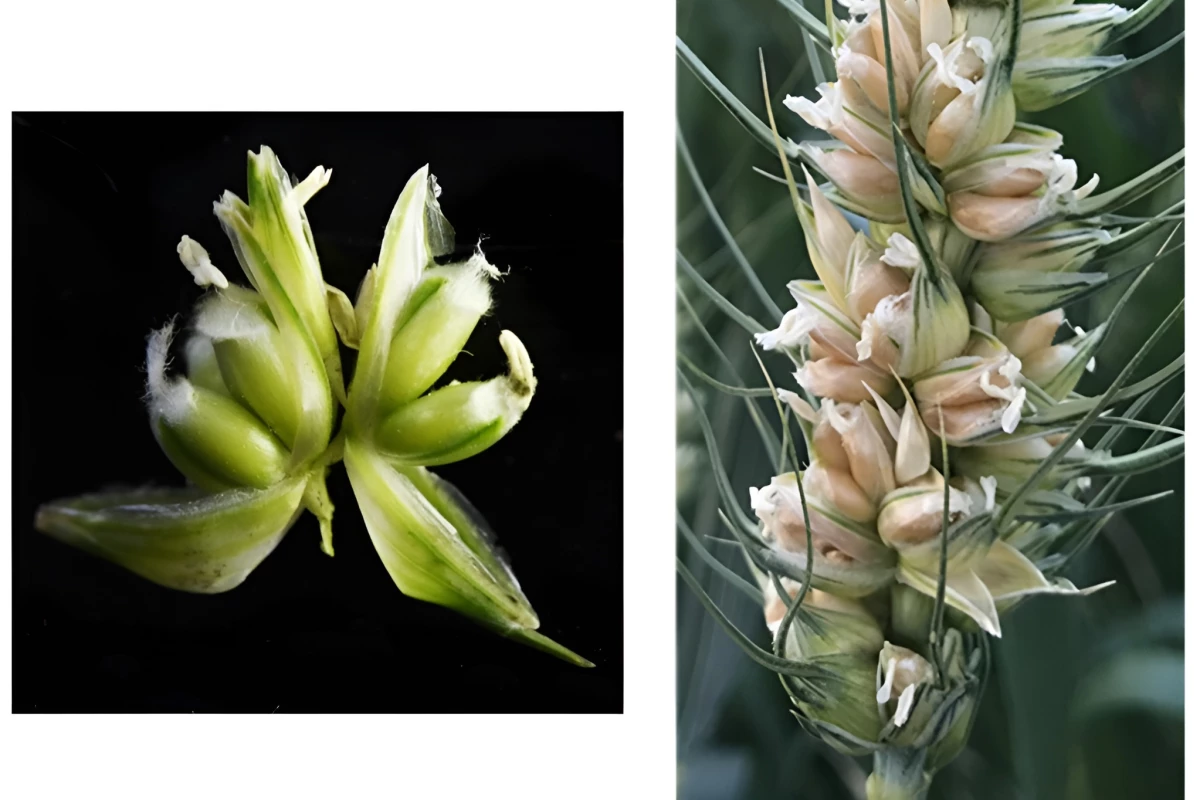
Researchers at the University of Maryland have made a significant advancement in agricultural science, potentially increasing wheat grain yields by up to three times. This breakthrough centers on a genetic discovery involving a mutant wheat plant known as MOV (multi-ovary), which can produce multiple grains from a single floret. The implications for food production could be substantial, given the pressing need for higher crop yields amidst growing global populations.
Wheat plants typically produce one grain per floret in their seed heads. However, the MOV mutation allows some florets to develop as many as three grains. Until now, the genetic basis for this phenomenon remained elusive. The researchers undertook a comprehensive mapping of the MOV wheat DNA, contrasting it with that of ordinary bread wheat. Their analysis revealed that a previously dormant gene, WUSCHEL-D1 (WUS-D1), becomes active in MOV wheat. This gene enhances the development of tissues essential for generating additional female flower parts, such as ovaries and pistils.
Implications for Future Wheat Production
Assoc. Prof. Vijay Tiwari, co-author of the study, expressed optimism about the findings. “Pinpointing the genetic basis of this trait offers a path for breeders to incorporate it into new wheat varieties, potentially increasing the number of grains per spike and overall yield,” he stated. The research, published in the Proceedings of the National Academy of Sciences, outlines how activating the WUS-D1 gene in cultivated wheat plants could lead to a significant boost in grain production.
This discovery comes at a critical time when food security is becoming increasingly vital. With the world’s population expected to reach nearly 10 billion by 2050, the demand for efficient food production methods has never been higher. The potential to triple grain yields using existing land, water, and fertilizer resources could have profound effects on global agriculture.
The researchers plan to harness gene editing techniques to further enhance this trait in wheat crops, aiming to improve food production capabilities sustainably. As the world faces challenges related to climate change and resource scarcity, innovations like this one may play a crucial role in securing food supplies for future generations.
In conclusion, the genetic breakthrough in MOV wheat presents an exciting opportunity for increasing crop yields. As researchers continue to refine their techniques, the agricultural sector may soon see the fruits of this innovation in the form of higher-yielding wheat varieties.

Robinhood Stock Surges 2.5% Today Amid Tech Market Recovery

Philadelphia’s Earth Month Kicks Off with Free Events in Parks

GSK’s Inhaler Decision Sparks Health Concerns for Children

Bradford’s Fish Fry Fridays Offer Community Spirit and Flavor

Speculation Rises on Shutdowns During Trump’s Potential Presidency

Samsung Galaxy Watch 9 to Feature Larger Battery, Report Reveals

Inventors Find New Purpose Through Unconventional Paths

UConn Huskies Aim for Back-to-Back Titles in 2026 NCAA Tournament

U.S. Mine Countermeasure Ships Dock in Malaysia for Logistics Stop

University of Hawaiʻi at Mānoa Joins $25.6M AI Initiative for Disaster Monitoring

ALMA Discovers Companion Orbiting Red Giant Star π 1 Gruis

$2.2 Million Boost for Cancer Research and Training in Hawaiʻi

New Gel Offers Hope for Regrowing Tooth Enamel in Dentistry

Sacituzumab Govitecan Shows Promise for HR+/HER2− Breast Cancer

Christian Bale in Talks to Join Leonardo DiCaprio in Heat 2

Park Jung Min’s Endearing Moment with Hwasa Steals Show at Awards

CAVA Group Shares Surge 5.1% Amid Mixed Analyst Ratings

币安人生 Sees $15.92 Million in Trading Volume Amid Market Fluctuations
-
Science6 months ago
University of Hawaiʻi at Mānoa Joins $25.6M AI Initiative for Disaster Monitoring
-
 Science6 months ago
ALMA Discovers Companion Orbiting Red Giant Star π 1 Gruis
-
 Health5 months ago
$2.2 Million Boost for Cancer Research and Training in Hawaiʻi
-
 Health6 months ago
New Gel Offers Hope for Regrowing Tooth Enamel in Dentistry
-
 Health4 months ago
Sacituzumab Govitecan Shows Promise for HR+/HER2− Breast Cancer
-
 Entertainment6 months ago
Christian Bale in Talks to Join Leonardo DiCaprio in Heat 2
-
 Lifestyle6 months ago
Park Jung Min’s Endearing Moment with Hwasa Steals Show at Awards
-
 Business5 months ago
CAVA Group Shares Surge 5.1% Amid Mixed Analyst Ratings
-
Politics2 months ago
币安人生 Sees $15.92 Million in Trading Volume Amid Market Fluctuations
-

 Lifestyle6 months ago
Sampson County Celebrates Susie Faison’s 100th Birthday Milestone
-

 Lifestyle6 months ago
Art Deco and Traditional Designs Set to Transform Homes in 2026
-

 Lifestyle5 months ago
Fernando Mendoza Secures Maxwell and O’Brien Awards Ahead of Heisman