
Science
High Seas Treaty Becomes Law to Protect Marine Biodiversity

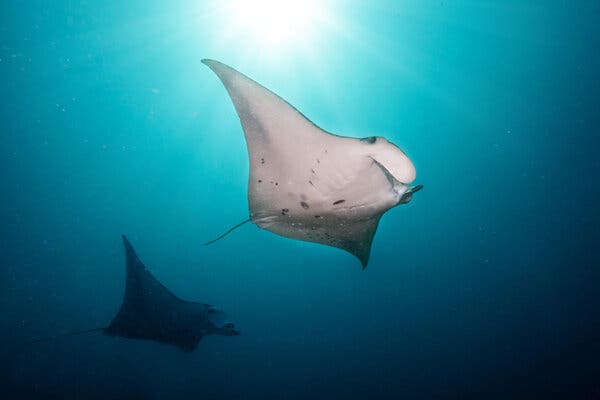
An international agreement designed to protect marine life in the world’s oceans has officially become law. The High Seas Treaty marks a significant milestone, enabling the safeguarding of international waters that fall outside any single country’s jurisdiction. These waters cover nearly half of the Earth’s surface. After more than two decades of discussions and formal negotiations that began in 2017, the treaty is now in effect.
The treaty empowers participating countries to establish environmentally protected zones in international waters, addressing the urgent need for conservation in areas long considered the “wild west” of the ocean. Currently, less than 10 percent of the high seas are protected, despite these areas constituting two-thirds of the ocean’s expanse. According to the latest data, 83 countries have ratified the treaty, with Morocco being the 60th country to do so, triggering a 120-day countdown for it to become international law.
As the treaty takes effect, it coincides with the United States reviewing an application from a company seeking to explore the deep seabed for precious minerals. Although seabed mining is regulated under a separate treaty, the authority responsible for this has been deliberating on rules for deep-sea mining for several years without approving any commercial activities.
Rena Lee, Singapore’s ambassador who spearheaded the final negotiations, described the implementation of the treaty as “a rare opportunity to make a positive difference in the high seas and deep seabed.” This sentiment is echoed by Rebecca Hubbard, director of the High Seas Alliance, who stated, “This is a game changer. And in many ways, the work is just beginning.”
The motivation behind the treaty aligns with a broader biodiversity goal established by another United Nations agreement in 2022. This agreement aims to protect 30 percent of the Earth’s land and oceans by 2030. The successful passage of the High Seas Treaty represents a pivotal step in achieving these ambitious conservation objectives.
While countries that ratify the treaty have committed to cooperate and uphold its terms, challenges remain in enforcing these international laws. The global community will need to navigate these complexities to ensure the treaty’s effectiveness in preserving marine ecosystems for future generations.

Robinhood Stock Surges 2.5% Today Amid Tech Market Recovery

Philadelphia’s Earth Month Kicks Off with Free Events in Parks

GSK’s Inhaler Decision Sparks Health Concerns for Children

Bradford’s Fish Fry Fridays Offer Community Spirit and Flavor

Speculation Rises on Shutdowns During Trump’s Potential Presidency

Samsung Galaxy Watch 9 to Feature Larger Battery, Report Reveals

Inventors Find New Purpose Through Unconventional Paths

UConn Huskies Aim for Back-to-Back Titles in 2026 NCAA Tournament

U.S. Mine Countermeasure Ships Dock in Malaysia for Logistics Stop

University of Hawaiʻi at Mānoa Joins $25.6M AI Initiative for Disaster Monitoring

$2.2 Million Boost for Cancer Research and Training in Hawaiʻi

ALMA Discovers Companion Orbiting Red Giant Star π 1 Gruis

Sacituzumab Govitecan Shows Promise for HR+/HER2− Breast Cancer

币安人生 Sees $15.92 Million in Trading Volume Amid Market Fluctuations

New Gel Offers Hope for Regrowing Tooth Enamel in Dentistry

CAVA Group Shares Surge 5.1% Amid Mixed Analyst Ratings

Christian Bale in Talks to Join Leonardo DiCaprio in Heat 2

Supreme Court to Review Birthright Citizenship for Children of Immigrants
-
Science9 months ago
University of Hawaiʻi at Mānoa Joins $25.6M AI Initiative for Disaster Monitoring
-
 Health7 months ago
$2.2 Million Boost for Cancer Research and Training in Hawaiʻi
-
 Science8 months ago
ALMA Discovers Companion Orbiting Red Giant Star π 1 Gruis
-
 Health7 months ago
Sacituzumab Govitecan Shows Promise for HR+/HER2− Breast Cancer
-
Politics5 months ago
币安人生 Sees $15.92 Million in Trading Volume Amid Market Fluctuations
-
 Health9 months ago
New Gel Offers Hope for Regrowing Tooth Enamel in Dentistry
-
 Business7 months ago
CAVA Group Shares Surge 5.1% Amid Mixed Analyst Ratings
-
 Entertainment8 months ago
Christian Bale in Talks to Join Leonardo DiCaprio in Heat 2
-
 Politics7 months ago
Supreme Court to Review Birthright Citizenship for Children of Immigrants
-

 Lifestyle8 months ago
Art Deco and Traditional Designs Set to Transform Homes in 2026
-

 Lifestyle7 months ago
Fernando Mendoza Secures Maxwell and O’Brien Awards Ahead of Heisman
-

 World8 months ago
Swiss Residents Reject 50% Inheritance Tax on Wealthy