
Science
UC San Diego Engineer Secures Grant to Investigate Aging in Cells

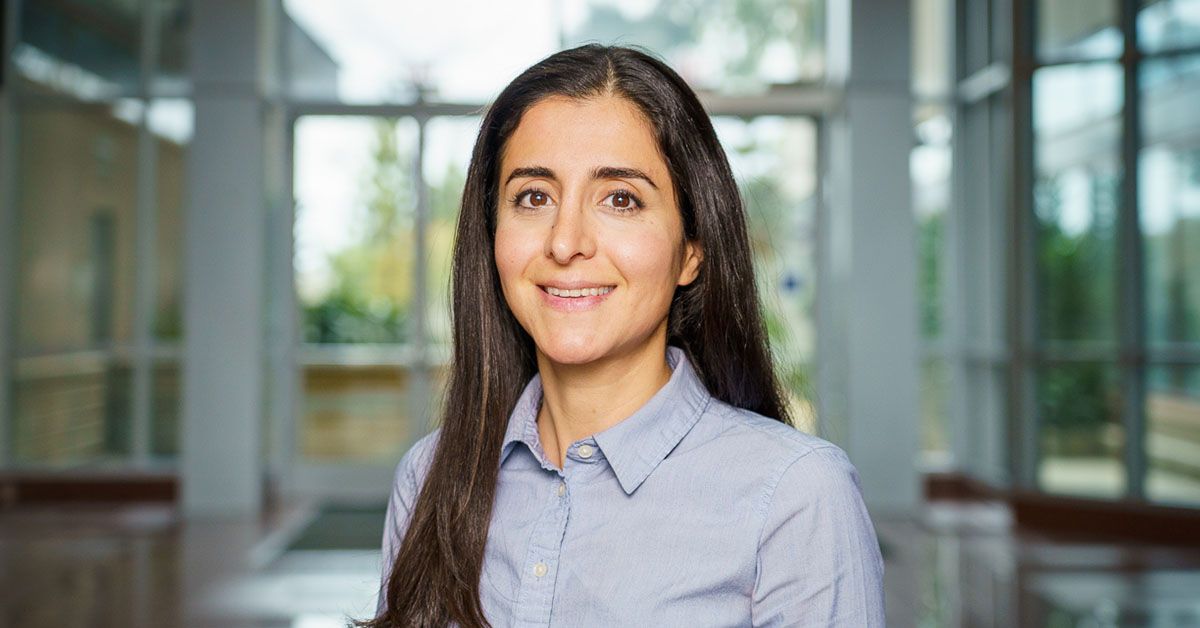
Professor Zeinab Jahed from the Aiiso Yufeng Li Family Department of Chemical and Nano Engineering at the University of California San Diego has been awarded a seed grant from the Hypothesis Fund. This funding will support her research into how aging affects brain and heart cells, specifically focusing on cells that do not divide, such as neurons and cardiomyocytes.
While much of the research surrounding aging has concentrated on dividing cells, those that remain post-mitotic exhibit significant signs of aging. Jahed posits that the aging process in these cells may be linked to the deterioration of the nuclear membrane, which serves as a protective barrier for a cell’s DNA. Her new project aims to investigate this hypothesis.
Research Methodology and Technology
Jahed’s team will employ cutting-edge nanotechnology developed in her lab to create and observe small ruptures in the nuclear membrane in real time. The technology utilizes an array of nanosized pillars that can gently breach the cell nucleus without harming the surrounding cell structure. When a cell is positioned atop this array, its nucleus conforms around the pillars, forming local curvatures in the nuclear membrane. These curvatures lead to the formation of tiny, self-sealing ruptures.
Researchers will analyze how well live cells manage to repair these ruptures and whether their repair capabilities decline with age. The study will focus on neurons and cardiomyocytes derived from established aging models at UC San Diego. Key metrics will include the frequency of nuclear ruptures, the speed of their repair, and the implications these events have on DNA damage, protein localization, and overall cell survival.
This research represents a pioneering effort to establish the first quantitative relationship between age and nuclear membrane integrity in non-dividing tissues. By comparing the cellular responses of young and old cells, the project aims to shift the understanding of aging from viewing nuclear damage merely as a consequence to recognizing it as a potential root cause, especially in cells that do not renew themselves.
Significance and Support
The findings from Jahed’s research could significantly alter the scientific community’s understanding of cellular aging. The Hypothesis Fund supports innovative early-stage research initiatives that might otherwise remain underfunded or overlooked through conventional funding routes. By encouraging bold ideas in basic research, the Fund plays a crucial role in advancing scientific knowledge.
As Jahed moves forward with this project, the implications of her findings could extend beyond academic interest, potentially influencing future therapeutic strategies aimed at countering age-related cellular decline.

Robinhood Stock Surges 2.5% Today Amid Tech Market Recovery

Philadelphia’s Earth Month Kicks Off with Free Events in Parks

GSK’s Inhaler Decision Sparks Health Concerns for Children

Bradford’s Fish Fry Fridays Offer Community Spirit and Flavor

Speculation Rises on Shutdowns During Trump’s Potential Presidency

Samsung Galaxy Watch 9 to Feature Larger Battery, Report Reveals

Inventors Find New Purpose Through Unconventional Paths

UConn Huskies Aim for Back-to-Back Titles in 2026 NCAA Tournament

U.S. Mine Countermeasure Ships Dock in Malaysia for Logistics Stop

University of Hawaiʻi at Mānoa Joins $25.6M AI Initiative for Disaster Monitoring

$2.2 Million Boost for Cancer Research and Training in Hawaiʻi

ALMA Discovers Companion Orbiting Red Giant Star π 1 Gruis

Sacituzumab Govitecan Shows Promise for HR+/HER2− Breast Cancer

币安人生 Sees $15.92 Million in Trading Volume Amid Market Fluctuations

New Gel Offers Hope for Regrowing Tooth Enamel in Dentistry

CAVA Group Shares Surge 5.1% Amid Mixed Analyst Ratings

Christian Bale in Talks to Join Leonardo DiCaprio in Heat 2

Supreme Court to Review Birthright Citizenship for Children of Immigrants
-
Science9 months ago
University of Hawaiʻi at Mānoa Joins $25.6M AI Initiative for Disaster Monitoring
-
 Health7 months ago
$2.2 Million Boost for Cancer Research and Training in Hawaiʻi
-
 Science9 months ago
ALMA Discovers Companion Orbiting Red Giant Star π 1 Gruis
-
 Health7 months ago
Sacituzumab Govitecan Shows Promise for HR+/HER2− Breast Cancer
-
Politics5 months ago
币安人生 Sees $15.92 Million in Trading Volume Amid Market Fluctuations
-
 Health9 months ago
New Gel Offers Hope for Regrowing Tooth Enamel in Dentistry
-
 Business8 months ago
CAVA Group Shares Surge 5.1% Amid Mixed Analyst Ratings
-
 Entertainment8 months ago
Christian Bale in Talks to Join Leonardo DiCaprio in Heat 2
-
 Politics8 months ago
Supreme Court to Review Birthright Citizenship for Children of Immigrants
-

 Lifestyle8 months ago
Art Deco and Traditional Designs Set to Transform Homes in 2026
-

 Lifestyle8 months ago
Fernando Mendoza Secures Maxwell and O’Brien Awards Ahead of Heisman
-

 World8 months ago
Swiss Residents Reject 50% Inheritance Tax on Wealthy