
Science
Henrietta Lacks’s Legacy: How HeLa Cells Changed Medicine Forever

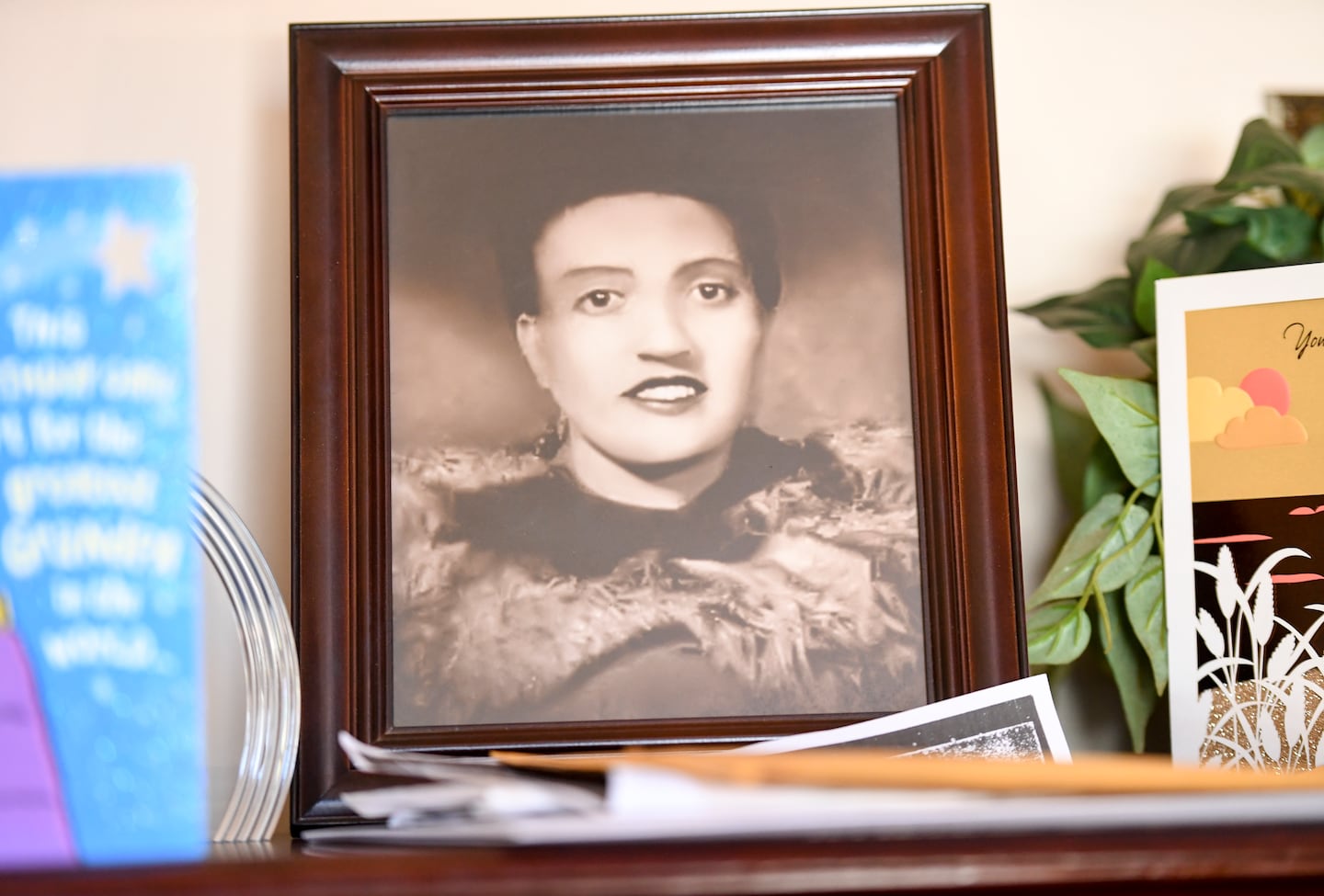
Seventy-five years ago, Henrietta Lacks unwittingly transformed medical research when her cells were harvested without her consent at Johns Hopkins Hospital. Lacks, an African American woman suffering from cervical cancer, became part of a groundbreaking discovery that would lead to significant medical advancements, including vaccines for polio and HPV, as well as treatments for HIV/AIDS, leukemia, and influenza. Her cells, known as HeLa cells, continue to thrive in laboratories around the world today.
Lacks’s story gained widespread recognition following the publication of Rebecca Skloot‘s book, The Immortal Life of Henrietta Lacks, in 2010. The narrative not only highlighted the scientific breakthroughs made possible by her cells but also raised critical questions about ethics in medical research. Recently, Lacks’s family reached a confidential settlement with Thermo Fisher Scientific, alleging that the company profited from her cells without proper acknowledgment or compensation.
Born in Roanoke, Virginia, in 1920, Lacks worked on a tobacco farm before marrying David “Day” Lacks in 1941 and having five children. She first visited Johns Hopkins on February 1, 1951, to address a “knot” in her cervix. At the time, Johns Hopkins was one of the few hospitals providing medical care to Black patients, but it also participated in a troubling practice of using impoverished public ward patients for research without their knowledge. Following a biopsy that confirmed her cervical cancer diagnosis, Lacks signed a consent form for any necessary medical procedures, but she was unaware that doctors would take cells from both her tumor and healthy tissue.
Under the supervision of Dr. George Gey, those cells were cultured and named HeLa, derived from the first two letters of Henrietta Lacks’s first and last names. Remarkably, these cells were able to survive and replicate indefinitely, a feat that had eluded scientists until then. Gey shared the HeLa cells with researchers globally, but Lacks remained unrecognized in the scientific community.
The impact of HeLa cells on modern medicine has been profound. Dr. Sabrina Assoumou, an infectious disease physician at Boston Medical Center, credits her clinical research on HIV directly to the fundamental work conducted with HeLa cells. She is involved in disseminating a long-acting HIV medication known as Sunlenca, which has received FDA approval. Assoumou emphasizes the importance of making such advancements accessible to marginalized communities, noting the essential role HeLa cells played in understanding HIV’s mechanisms of infection.
In the early stages of the HIV/AIDS epidemic, researchers discovered that HeLa cells did not become infected by the virus in the same way that immune cells did. This insight allowed scientists to manipulate the DNA of HeLa samples, aiding in the development of treatments that improve patient outcomes. Assoumou reflects, “Understanding the mechanism helped us later develop drugs that enable me to help my patients live longer and happier lives.”
The contributions of HeLa cells extend beyond infectious diseases. Dr. Cigall Kadoch, a pediatric oncology associate professor at the Dana-Farber Cancer Institute, states that advancements in gene sequencing have shed light on cancer’s genetic complexities. Her lab employs HeLa cells to study various cancers, but challenges persist. Kadoch explains that human cells often change in laboratory conditions, leading to variations that complicate research. “We often say no two HeLa cell lines from two different labs are the same,” she notes, highlighting the importance of understanding the origins and conditions of the cells researchers use.
The legacy of Henrietta Lacks has prompted a reevaluation of ethical standards in research, particularly regarding informed consent. Assoumou played a role in developing a course at Boston Medical Center aimed at educating medical interpreters about the challenges faced by non-English speaking patients in clinical trials. This course addresses historical medical mistrust, including Lacks’s story and the infamous Tuskegee syphilis study, in which Black male patients were denied treatment for syphilis to study the disease’s progression.
Assoumou’s efforts reflect a broader movement within the medical community to ensure that research practices are ethical and inclusive. “We’ve learned and developed procedures and practices to help us be better researchers,” she says, acknowledging the role of Lacks’s story in shaping modern research ethics.
Kadoch emphasizes the importance of diversity in research participants, particularly in cancer studies. “Cancer is genetic, and its mutations can have different outcomes for people of different backgrounds,” she explains, advocating for a comprehensive understanding of how these variables impact treatment outcomes.
As researchers continue to build on the legacy of HeLa cells, Kadoch stresses the need for scientists to acknowledge the contributions of individuals like Henrietta Lacks. “Know what you work with, and where it came from,” she advises, reinforcing the human impact behind scientific progress.
Henrietta Lacks’s immortal cells have not only advanced medical science but have also sparked crucial conversations about ethics and consent in research. Her story serves as a reminder of the necessity for transparency and respect in the pursuit of knowledge.

Robinhood Stock Surges 2.5% Today Amid Tech Market Recovery

Philadelphia’s Earth Month Kicks Off with Free Events in Parks

GSK’s Inhaler Decision Sparks Health Concerns for Children

Bradford’s Fish Fry Fridays Offer Community Spirit and Flavor

Speculation Rises on Shutdowns During Trump’s Potential Presidency

Samsung Galaxy Watch 9 to Feature Larger Battery, Report Reveals

Inventors Find New Purpose Through Unconventional Paths

UConn Huskies Aim for Back-to-Back Titles in 2026 NCAA Tournament

U.S. Mine Countermeasure Ships Dock in Malaysia for Logistics Stop

University of Hawaiʻi at Mānoa Joins $25.6M AI Initiative for Disaster Monitoring

$2.2 Million Boost for Cancer Research and Training in Hawaiʻi

ALMA Discovers Companion Orbiting Red Giant Star π 1 Gruis

Sacituzumab Govitecan Shows Promise for HR+/HER2− Breast Cancer

币安人生 Sees $15.92 Million in Trading Volume Amid Market Fluctuations

New Gel Offers Hope for Regrowing Tooth Enamel in Dentistry

CAVA Group Shares Surge 5.1% Amid Mixed Analyst Ratings

Christian Bale in Talks to Join Leonardo DiCaprio in Heat 2

Supreme Court to Review Birthright Citizenship for Children of Immigrants
-
Science8 months ago
University of Hawaiʻi at Mānoa Joins $25.6M AI Initiative for Disaster Monitoring
-
 Health7 months ago
$2.2 Million Boost for Cancer Research and Training in Hawaiʻi
-
 Science8 months ago
ALMA Discovers Companion Orbiting Red Giant Star π 1 Gruis
-
 Health7 months ago
Sacituzumab Govitecan Shows Promise for HR+/HER2− Breast Cancer
-
Politics4 months ago
币安人生 Sees $15.92 Million in Trading Volume Amid Market Fluctuations
-
 Health8 months ago
New Gel Offers Hope for Regrowing Tooth Enamel in Dentistry
-
 Business7 months ago
CAVA Group Shares Surge 5.1% Amid Mixed Analyst Ratings
-
 Entertainment8 months ago
Christian Bale in Talks to Join Leonardo DiCaprio in Heat 2
-
 Politics7 months ago
Supreme Court to Review Birthright Citizenship for Children of Immigrants
-

 Lifestyle8 months ago
Art Deco and Traditional Designs Set to Transform Homes in 2026
-

 Lifestyle7 months ago
Fernando Mendoza Secures Maxwell and O’Brien Awards Ahead of Heisman
-

 World8 months ago
Swiss Residents Reject 50% Inheritance Tax on Wealthy