
World
Delta Air Lines to Launch Airbus A350-1000 in 2026

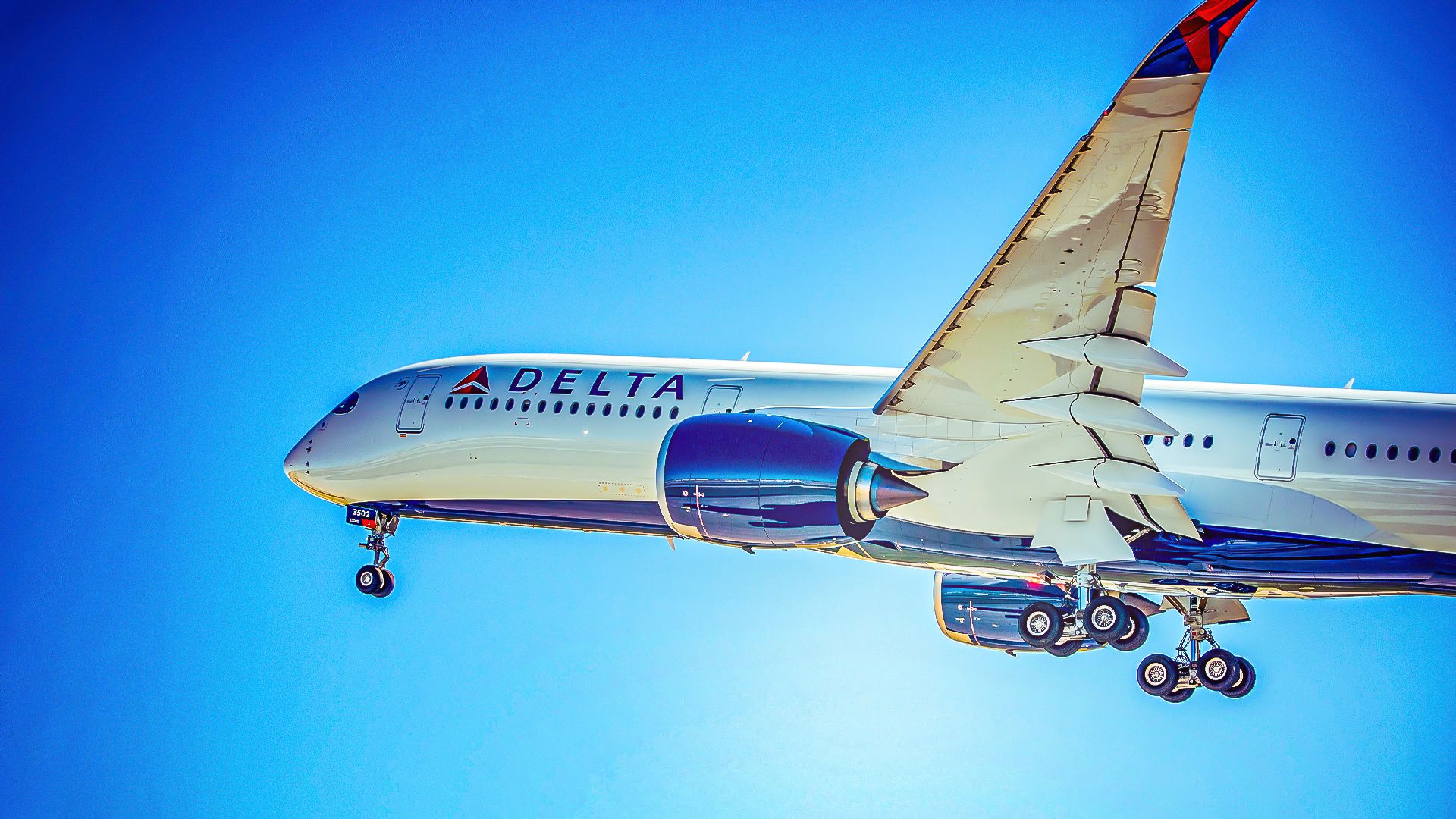
In March 2026, Delta Air Lines will make significant strides in its long-haul evolution by introducing the Airbus A350-1000 into its fleet. This move marks a pivotal moment as Delta becomes the first US airline to operate the largest variant of the A350 family, underscoring a shift in fleet strategy and international competition.
The A350-1000 is engineered for high-capacity, long-range routes, enabling Delta to enhance its competitive edge against global carriers already utilizing this aircraft type. This decision reflects a broader transformation in US airline preferences, moving away from a historical reliance on Boeing models like the 777 and 787. By selecting an Airbus platform, Delta prioritizes operational efficiency and flexibility over tradition.
Strategic Fleet Modernization
Delta’s acquisition of the A350-1000 aligns with its long-term fleet modernization strategy. Instead of diversifying its fleet with overlapping aircraft roles, Delta aims to streamline operations by consolidating capacity into versatile, fuel-efficient platforms. This approach reduces operational complexity, lowers maintenance costs, and positions the airline to swiftly respond to fluctuating demand and evolving industry regulations.
The A350-1000 offers exceptional fuel efficiency, extended range, and reduced maintenance requirements, making it an ideal replacement for aging models such as the Boeing 767 and older 777 variants. Its advanced aerodynamics and Rolls-Royce Trent XWB-97 engines facilitate more cost-effective operations on high-demand routes, ultimately improving Delta’s bottom line.
Beyond operational benefits, the A350-1000 fills a critical network gap. It provides greater passenger and cargo capacity than the A350-900, while avoiding the weight and complexity associated with ultra-large aircraft like the A380. This balance enables Delta to increase seat availability on major international routes while maintaining flexibility for thinner markets.
Expanding International Reach
The introduction of the A350-1000 will bolster Delta’s international network, particularly on transatlantic and transpacific flights. Its long-range capabilities make it ideally suited for routes from major hubs such as Atlanta, Detroit, and New York City. With a higher seating capacity and advanced fuel efficiency, Delta can offer more nonstop services on high-demand routes, catering to both leisure and business travelers.
Flexibility is another considerable advantage of the A350-1000. Unlike older widebody aircraft, which are often restricted to specific long-haul routes, the A350-1000 can be deployed across various routes, allowing Delta to adjust capacity as demand shifts. This adaptability is vital in a landscape marked by fluctuating travel patterns and economic uncertainty.
For passengers, the A350-1000 promises a notable enhancement in comfort and amenities. Delta plans to equip the aircraft with a significant number of premium seating options, including Delta One Suites and Delta Premium Select. The aircraft’s wider cabin will facilitate more spacious seating arrangements and larger overhead bins, contributing to an overall improved travel experience.
Delta’s commitment to standardizing its premium products across its international fleet will ensure that passengers enjoy a consistent and high-quality experience on every long-haul flight. This consistency not only boosts passenger satisfaction but also reinforces Delta’s reputation for exceptional service in an increasingly competitive market.
The A350-1000 is not merely a new addition to Delta’s fleet; it encapsulates the airline’s dedication to operational excellence, sustainability, and long-term leadership in global aviation. As Delta becomes the first US airline to operate this advanced aircraft, it positions itself for future growth and success while influencing broader trends in US airline fleet planning.
Delta’s strategic decision to incorporate the A350-1000 into its operations reflects a progressive approach to fleet management, emphasizing efficiency and customer experience. The anticipated launch in 2026 signifies not only a technological advancement but also a commitment to sustainable aviation practices, setting a precedent for other airlines in the industry.

Robinhood Stock Surges 2.5% Today Amid Tech Market Recovery

Philadelphia’s Earth Month Kicks Off with Free Events in Parks

GSK’s Inhaler Decision Sparks Health Concerns for Children

Bradford’s Fish Fry Fridays Offer Community Spirit and Flavor

Speculation Rises on Shutdowns During Trump’s Potential Presidency

Samsung Galaxy Watch 9 to Feature Larger Battery, Report Reveals

Inventors Find New Purpose Through Unconventional Paths

UConn Huskies Aim for Back-to-Back Titles in 2026 NCAA Tournament

U.S. Mine Countermeasure Ships Dock in Malaysia for Logistics Stop

University of Hawaiʻi at Mānoa Joins $25.6M AI Initiative for Disaster Monitoring

$2.2 Million Boost for Cancer Research and Training in Hawaiʻi

ALMA Discovers Companion Orbiting Red Giant Star π 1 Gruis

Sacituzumab Govitecan Shows Promise for HR+/HER2− Breast Cancer

币安人生 Sees $15.92 Million in Trading Volume Amid Market Fluctuations

New Gel Offers Hope for Regrowing Tooth Enamel in Dentistry

CAVA Group Shares Surge 5.1% Amid Mixed Analyst Ratings

Christian Bale in Talks to Join Leonardo DiCaprio in Heat 2

Supreme Court to Review Birthright Citizenship for Children of Immigrants
-
Science9 months ago
University of Hawaiʻi at Mānoa Joins $25.6M AI Initiative for Disaster Monitoring
-
 Health8 months ago
$2.2 Million Boost for Cancer Research and Training in Hawaiʻi
-
 Science9 months ago
ALMA Discovers Companion Orbiting Red Giant Star π 1 Gruis
-
 Health7 months ago
Sacituzumab Govitecan Shows Promise for HR+/HER2− Breast Cancer
-
Politics5 months ago
币安人生 Sees $15.92 Million in Trading Volume Amid Market Fluctuations
-
 Health9 months ago
New Gel Offers Hope for Regrowing Tooth Enamel in Dentistry
-
 Business8 months ago
CAVA Group Shares Surge 5.1% Amid Mixed Analyst Ratings
-
 Entertainment9 months ago
Christian Bale in Talks to Join Leonardo DiCaprio in Heat 2
-
 Politics8 months ago
Supreme Court to Review Birthright Citizenship for Children of Immigrants
-

 Lifestyle9 months ago
Art Deco and Traditional Designs Set to Transform Homes in 2026
-

 Lifestyle8 months ago
Fernando Mendoza Secures Maxwell and O’Brien Awards Ahead of Heisman
-

 World8 months ago
Swiss Residents Reject 50% Inheritance Tax on Wealthy