
World
Iranians Experience Limited International Calls Amid Ongoing Protests

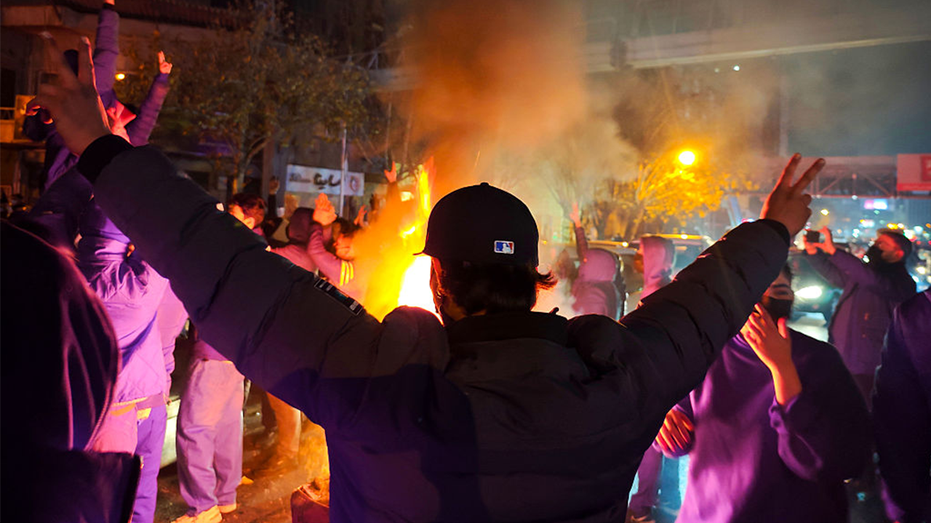
Iranians were able to make some international phone calls on January 8, 2026, for the first time since a sweeping communications blackout was imposed amid a violent crackdown on ongoing anti-government protests. Residents in Tehran reported that calls to numbers outside the country briefly connected, although text messaging remained disabled and internet access was still restricted to government-approved domestic websites. This limited restoration of communication came as protests continued to escalate, leaving Iran largely disconnected from the outside world.
The unrest has been ignited by a deepening economic crisis, with demonstrators increasingly calling for regime change. Activist groups estimate that hundreds of individuals have lost their lives during the protests, although verifying the actual death toll has proven challenging due to the internet blackout and stringent state controls on information. Reports indicate that some government offices and financial institutions have sustained damage during the unrest. Despite ongoing security operations, merchants in certain areas have been compelled to reopen businesses, leading to sparse foot traffic in many parts of the capital.
Security Forces Maintain Presence Amid Protests
Security forces have maintained a heavy presence across central Tehran, according to local residents. Riot police, Revolutionary Guard units, and plainclothes officers have been deployed at key locations in an effort to contain the unrest. The situation has drawn increased international scrutiny, particularly regarding the relationships between Tehran and Washington. U.S. President Donald Trump indicated that Iran is interested in negotiating with his administration following his threat to respond militarily to the protests.
“Iran better not start shooting, because we’ll start shooting, too,” Trump stated, underscoring the heightened tensions between the two nations. In a recent interview with Al Jazeera, Iranian Foreign Minister Abbas Araghchi confirmed that communications with U.S. envoy Steve Witkoff have continued before and after the protests. He characterized Washington’s proposed ideas and threats as “incompatible” with Iran’s position, asserting that Tehran is “fully prepared for war” in the event of a U.S. attack.
White House Press Secretary Karoline Leavitt emphasized that while diplomacy remains Trump’s first option, the president is not hesitant to consider military action if necessary. “He certainly doesn’t want to see people being killed in the streets of Tehran. And unfortunately, that’s something we are seeing right now,” she remarked.
Protests and Government Responses Intensify
As the protests continued, tens of thousands of pro-government demonstrators took to the streets, voicing their support for Supreme Leader Ayatollah Ali Khamenei. Iranian state television broadcast chants from the pro-government crowd, including calls for “Death to America!” and “Death to Israel!” In a stark warning, the Iranian attorney general declared that anyone participating in the protests would be considered an “enemy of God,” a designation that carries the potential for the death penalty.
In response to the Iranian government’s actions during the unrest, Trump announced that countries conducting business with Iran would face a 25% tariff, effective immediately. This decision underscores the escalating economic and political tensions surrounding the protests.
The situation in Iran remains fluid, with international observers closely monitoring developments as both domestic protests and government crackdowns continue to evolve. The impact on the Iranian populace is profound, with daily life increasingly disrupted by the violence and uncertainty surrounding the protests.

Robinhood Stock Surges 2.5% Today Amid Tech Market Recovery

Philadelphia’s Earth Month Kicks Off with Free Events in Parks

GSK’s Inhaler Decision Sparks Health Concerns for Children

Bradford’s Fish Fry Fridays Offer Community Spirit and Flavor

Speculation Rises on Shutdowns During Trump’s Potential Presidency

Samsung Galaxy Watch 9 to Feature Larger Battery, Report Reveals

Inventors Find New Purpose Through Unconventional Paths

UConn Huskies Aim for Back-to-Back Titles in 2026 NCAA Tournament

U.S. Mine Countermeasure Ships Dock in Malaysia for Logistics Stop

University of Hawaiʻi at Mānoa Joins $25.6M AI Initiative for Disaster Monitoring

$2.2 Million Boost for Cancer Research and Training in Hawaiʻi

ALMA Discovers Companion Orbiting Red Giant Star π 1 Gruis

Sacituzumab Govitecan Shows Promise for HR+/HER2− Breast Cancer

币安人生 Sees $15.92 Million in Trading Volume Amid Market Fluctuations

New Gel Offers Hope for Regrowing Tooth Enamel in Dentistry

CAVA Group Shares Surge 5.1% Amid Mixed Analyst Ratings

Christian Bale in Talks to Join Leonardo DiCaprio in Heat 2

Supreme Court to Review Birthright Citizenship for Children of Immigrants
-
Science9 months ago
University of Hawaiʻi at Mānoa Joins $25.6M AI Initiative for Disaster Monitoring
-
 Health7 months ago
$2.2 Million Boost for Cancer Research and Training in Hawaiʻi
-
 Science8 months ago
ALMA Discovers Companion Orbiting Red Giant Star π 1 Gruis
-
 Health7 months ago
Sacituzumab Govitecan Shows Promise for HR+/HER2− Breast Cancer
-
Politics5 months ago
币安人生 Sees $15.92 Million in Trading Volume Amid Market Fluctuations
-
 Health9 months ago
New Gel Offers Hope for Regrowing Tooth Enamel in Dentistry
-
 Business7 months ago
CAVA Group Shares Surge 5.1% Amid Mixed Analyst Ratings
-
 Entertainment8 months ago
Christian Bale in Talks to Join Leonardo DiCaprio in Heat 2
-
 Politics7 months ago
Supreme Court to Review Birthright Citizenship for Children of Immigrants
-

 Lifestyle8 months ago
Art Deco and Traditional Designs Set to Transform Homes in 2026
-

 Lifestyle7 months ago
Fernando Mendoza Secures Maxwell and O’Brien Awards Ahead of Heisman
-

 World8 months ago
Swiss Residents Reject 50% Inheritance Tax on Wealthy