
World
Israel Launches Strikes as Iran Responds to Khamenei’s Death

Israeli military forces have intensified their operations, launching new strikes on targets in Iran following the death of Iranian Supreme Leader Ayatollah Ali Khamenei on September 24, 2023. This escalation comes as Iran vows to retaliate against what it describes as an act of aggression, heightening tensions in an already volatile region.
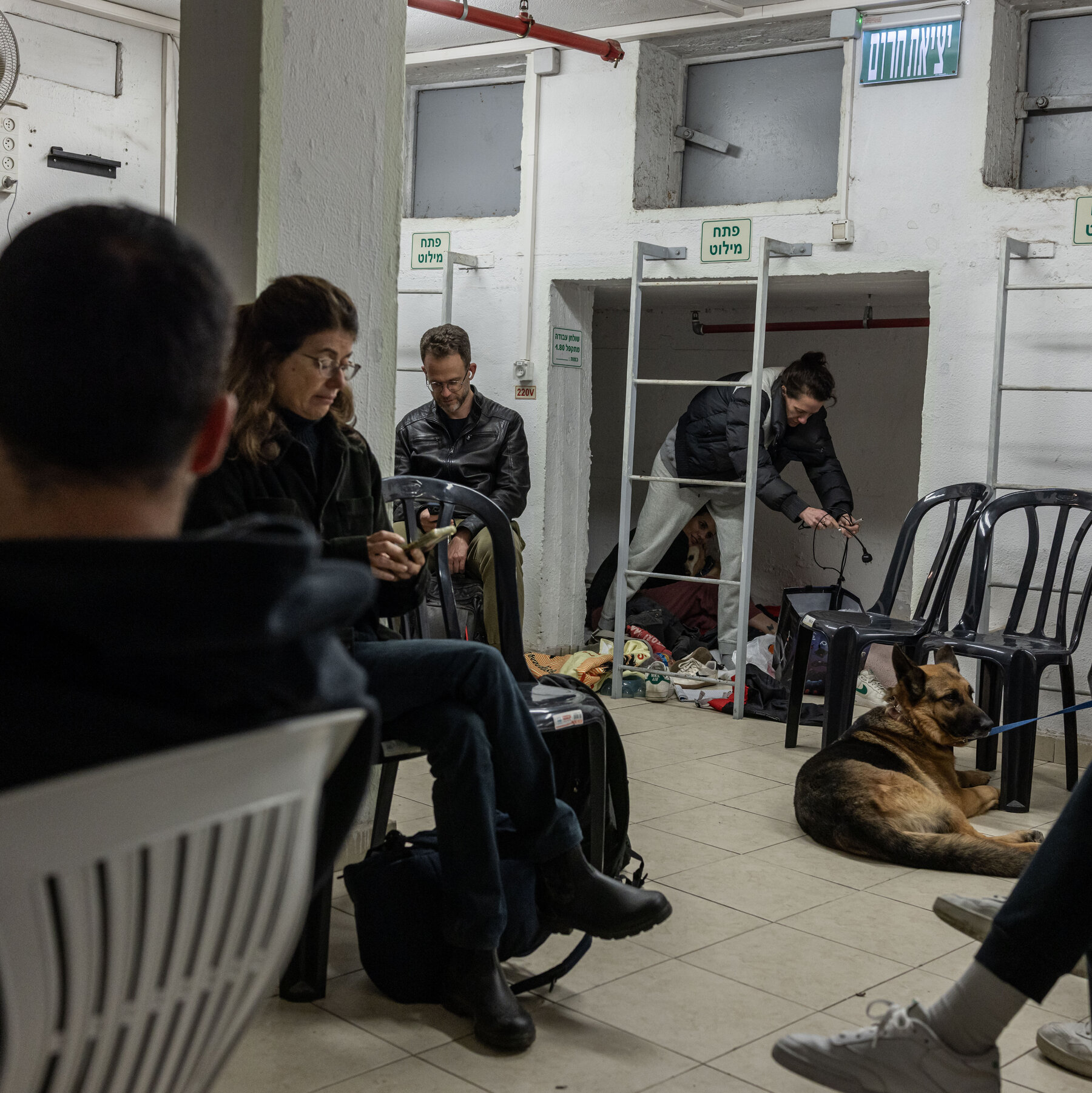
In Tel Aviv, residents received urgent alerts as air-raid sirens blared, signaling incoming missile and drone attacks from Iranian forces. The Israeli Defense Forces (IDF) reported intercepting several projectiles, but some managed to reach urban areas, causing damage and raising fears among civilians. Authorities have urged residents to seek shelter as the situation develops.
Heightened Military Activity
The recent military actions mark a significant escalation in the ongoing conflict between Israel and Iran, particularly after Khamenei’s assassination. The Iranian Revolutionary Guard Corps has been vocal about its intent to avenge their leader’s death, framing the Israeli strikes as a declaration of war. In response, Iran has claimed responsibility for a series of missile attacks aimed at Israeli military installations.
Israeli Prime Minister Benjamin Netanyahu addressed the nation, stating that the recent strikes are a necessary measure to protect the country. He emphasized that Israel will continue to act decisively against threats, particularly those emanating from Iran. “We will not allow terror to spread,” Netanyahu affirmed during a press conference.
Global Reactions and Implications
The international community has reacted with concern to the escalating conflict. Various governments are closely monitoring the situation, with calls for de-escalation emerging from multiple countries. Diplomatic channels remain open, but the likelihood of negotiations appears slim as both sides prepare for further military engagements.
Analysts warn that the conflict could have broader implications, potentially drawing in regional allies. With Iran’s ties to groups across the Middle East, including Hezbollah in Lebanon, the risk of a wider confrontation remains high. The United Nations has urged both nations to exercise restraint and engage in dialogue to prevent further violence.
As the situation unfolds, residents in affected areas remain on high alert. The Israeli government has increased security measures, including deploying additional military personnel to sensitive locations. Meanwhile, Iranian leadership continues to rally support for its military actions, framing them as necessary for national sovereignty.
The coming days will be crucial in determining the trajectory of this conflict, as both Israel and Iran prepare for a potential escalation in hostilities. As tensions rise, the impact on civilians continues to be a grave concern, underscoring the urgent need for diplomatic intervention.

Robinhood Stock Surges 2.5% Today Amid Tech Market Recovery

Philadelphia’s Earth Month Kicks Off with Free Events in Parks

GSK’s Inhaler Decision Sparks Health Concerns for Children

Bradford’s Fish Fry Fridays Offer Community Spirit and Flavor

Speculation Rises on Shutdowns During Trump’s Potential Presidency

Samsung Galaxy Watch 9 to Feature Larger Battery, Report Reveals

Inventors Find New Purpose Through Unconventional Paths

UConn Huskies Aim for Back-to-Back Titles in 2026 NCAA Tournament

U.S. Mine Countermeasure Ships Dock in Malaysia for Logistics Stop

University of Hawaiʻi at Mānoa Joins $25.6M AI Initiative for Disaster Monitoring

$2.2 Million Boost for Cancer Research and Training in Hawaiʻi

ALMA Discovers Companion Orbiting Red Giant Star π 1 Gruis

Sacituzumab Govitecan Shows Promise for HR+/HER2− Breast Cancer

币安人生 Sees $15.92 Million in Trading Volume Amid Market Fluctuations

New Gel Offers Hope for Regrowing Tooth Enamel in Dentistry

CAVA Group Shares Surge 5.1% Amid Mixed Analyst Ratings

Christian Bale in Talks to Join Leonardo DiCaprio in Heat 2

Supreme Court to Review Birthright Citizenship for Children of Immigrants
-
Science8 months ago
University of Hawaiʻi at Mānoa Joins $25.6M AI Initiative for Disaster Monitoring
-
 Health7 months ago
$2.2 Million Boost for Cancer Research and Training in Hawaiʻi
-
 Science8 months ago
ALMA Discovers Companion Orbiting Red Giant Star π 1 Gruis
-
 Health7 months ago
Sacituzumab Govitecan Shows Promise for HR+/HER2− Breast Cancer
-
Politics4 months ago
币安人生 Sees $15.92 Million in Trading Volume Amid Market Fluctuations
-
 Health8 months ago
New Gel Offers Hope for Regrowing Tooth Enamel in Dentistry
-
 Business7 months ago
CAVA Group Shares Surge 5.1% Amid Mixed Analyst Ratings
-
 Entertainment8 months ago
Christian Bale in Talks to Join Leonardo DiCaprio in Heat 2
-
 Politics7 months ago
Supreme Court to Review Birthright Citizenship for Children of Immigrants
-

 Lifestyle7 months ago
Fernando Mendoza Secures Maxwell and O’Brien Awards Ahead of Heisman
-

 Lifestyle8 months ago
Art Deco and Traditional Designs Set to Transform Homes in 2026
-

 World7 months ago
Swiss Residents Reject 50% Inheritance Tax on Wealthy