
World
Supreme Court Strikes Down Trump Tariffs, Revealing Political Divide

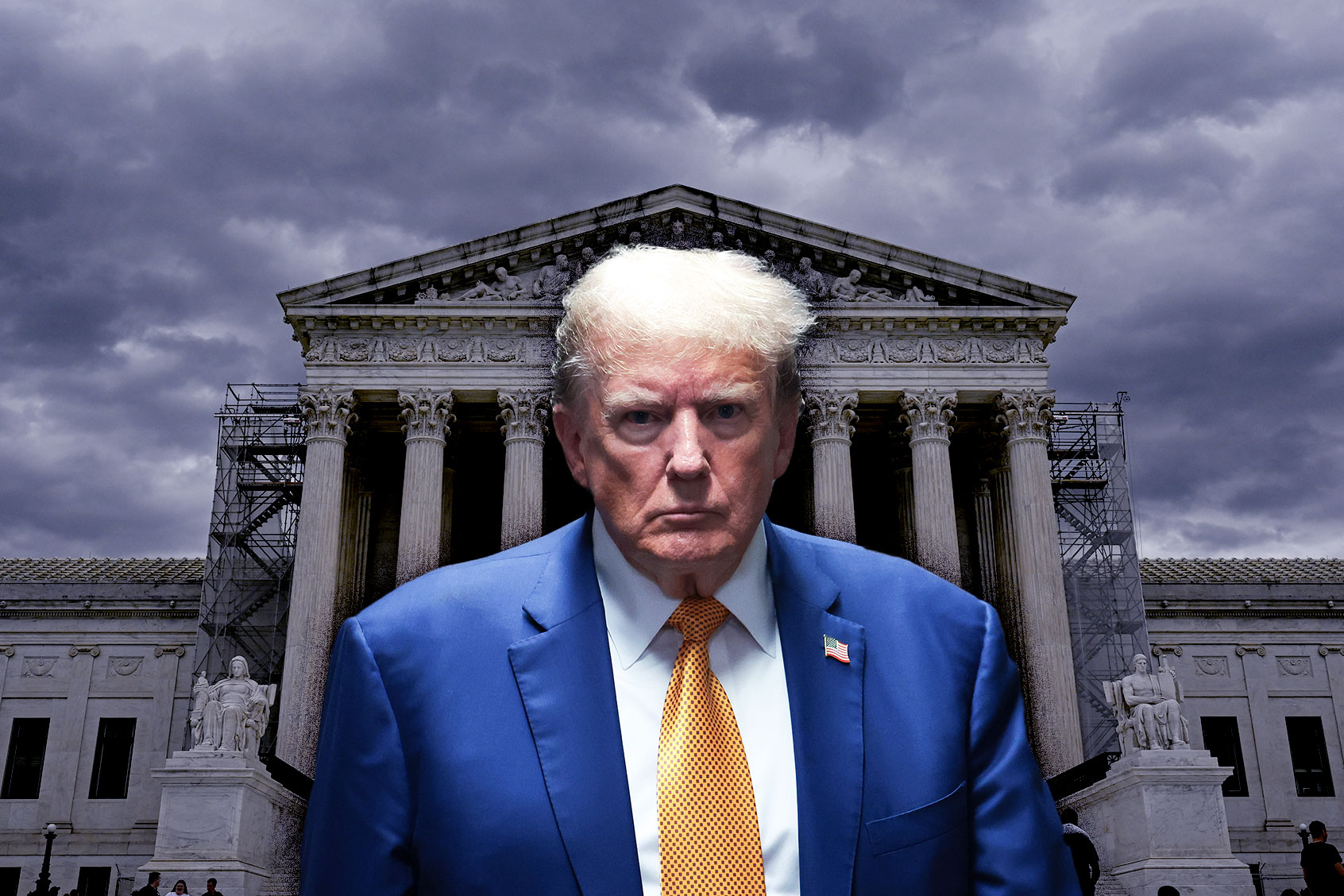
The Supreme Court ruled on February 23, 2024, to strike down several tariffs imposed by former President Donald Trump, marking a significant moment in American jurisprudence. This decision, reached by a 6-3 vote, highlighted a notable division within the court, as some conservative justices sided with their liberal counterparts against the backdrop of Trump’s expansive view of executive power.
The court’s ruling underscored a commitment to constitutional principles, emphasizing the importance of legislative authority in matters of taxation. Chief Justice John Roberts, who authored the majority opinion, stated that the International Emergency Economic Powers Act (IEEPA) did not grant Trump the authority to impose tariffs on imports from Canada, Mexico, and China. The ruling clarified that tariffs are, in fact, taxes, and only Congress holds the power to levy them. This interpretation aligns with the Constitution’s Article 1, Section 8, which grants Congress the exclusive right to collect duties and taxes.
In a pointed remark, Roberts noted that before Trump’s presidency, no president had invoked the IEEPA to impose tariffs of such magnitude. He emphasized the judiciary’s role in upholding constitutional governance, asserting that the court must ensure the law is followed. This position is critical in the current political climate, which many view as a struggle between democratic norms and authoritarian impulses.
In dissent, justices Samuel Alito, Brett Kavanaugh, and Clarence Thomas signaled their support for a broader interpretation of executive power. Kavanaugh even suggested potential avenues for Trump to navigate around the ruling, indicating that the decision might not significantly limit future presidential tariff authority. Thomas, referencing historical precedents, argued for the executive’s prerogative in imposing duties, further reflecting a growing trend among some justices to align with Trump’s vision of power.
Immediately following the ruling, Trump expressed his discontent, labeling the decision a “disgrace.” He criticized the justices who did not align with his views, asserting that they were influenced by foreign interests. The former president’s combative response illustrates the ongoing tension between his administration’s approach to governance and the principles upheld by the judiciary.
Trump’s historical fondness for tariffs as a tool of economic leverage remains evident. He announced plans for a new round of tariffs—10% on all imports starting February 24, 2024—citing authority he attributes to the 1974 Trade Act. His rhetoric emphasizes the use of tariffs not just as economic policy but as a means to exert control over international trade and domestic industries.
This ruling is part of a broader narrative about the balance of power in the United States, particularly regarding the executive branch’s authority. While the decision marks a temporary setback for Trump, it reflects an ongoing struggle within the nation over the interpretation of constitutional democracy versus the push towards authoritarianism. The implications of this ruling extend beyond tariffs, touching on fundamental questions about the nature of power in American governance.
As the legal landscape evolves, the reactions and subsequent actions from both Trump and the Supreme Court will be closely watched, reflecting the deepening divisions in American political life. The court’s decision may represent a momentary triumph for constitutional principles, but the ongoing debates about executive authority and legislative power are likely to continue shaping the political discourse in the United States.

Robinhood Stock Surges 2.5% Today Amid Tech Market Recovery

Philadelphia’s Earth Month Kicks Off with Free Events in Parks

GSK’s Inhaler Decision Sparks Health Concerns for Children

Bradford’s Fish Fry Fridays Offer Community Spirit and Flavor

Speculation Rises on Shutdowns During Trump’s Potential Presidency

Samsung Galaxy Watch 9 to Feature Larger Battery, Report Reveals

Inventors Find New Purpose Through Unconventional Paths

UConn Huskies Aim for Back-to-Back Titles in 2026 NCAA Tournament

U.S. Mine Countermeasure Ships Dock in Malaysia for Logistics Stop

University of Hawaiʻi at Mānoa Joins $25.6M AI Initiative for Disaster Monitoring

$2.2 Million Boost for Cancer Research and Training in Hawaiʻi

ALMA Discovers Companion Orbiting Red Giant Star π 1 Gruis

Sacituzumab Govitecan Shows Promise for HR+/HER2− Breast Cancer

币安人生 Sees $15.92 Million in Trading Volume Amid Market Fluctuations

New Gel Offers Hope for Regrowing Tooth Enamel in Dentistry

CAVA Group Shares Surge 5.1% Amid Mixed Analyst Ratings

Christian Bale in Talks to Join Leonardo DiCaprio in Heat 2

Supreme Court to Review Birthright Citizenship for Children of Immigrants
-
Science8 months ago
University of Hawaiʻi at Mānoa Joins $25.6M AI Initiative for Disaster Monitoring
-
 Health7 months ago
$2.2 Million Boost for Cancer Research and Training in Hawaiʻi
-
 Science8 months ago
ALMA Discovers Companion Orbiting Red Giant Star π 1 Gruis
-
 Health7 months ago
Sacituzumab Govitecan Shows Promise for HR+/HER2− Breast Cancer
-
Politics4 months ago
币安人生 Sees $15.92 Million in Trading Volume Amid Market Fluctuations
-
 Health8 months ago
New Gel Offers Hope for Regrowing Tooth Enamel in Dentistry
-
 Business7 months ago
CAVA Group Shares Surge 5.1% Amid Mixed Analyst Ratings
-
 Entertainment8 months ago
Christian Bale in Talks to Join Leonardo DiCaprio in Heat 2
-
 Politics7 months ago
Supreme Court to Review Birthright Citizenship for Children of Immigrants
-

 Lifestyle8 months ago
Art Deco and Traditional Designs Set to Transform Homes in 2026
-

 Lifestyle7 months ago
Fernando Mendoza Secures Maxwell and O’Brien Awards Ahead of Heisman
-

 World8 months ago
Swiss Residents Reject 50% Inheritance Tax on Wealthy